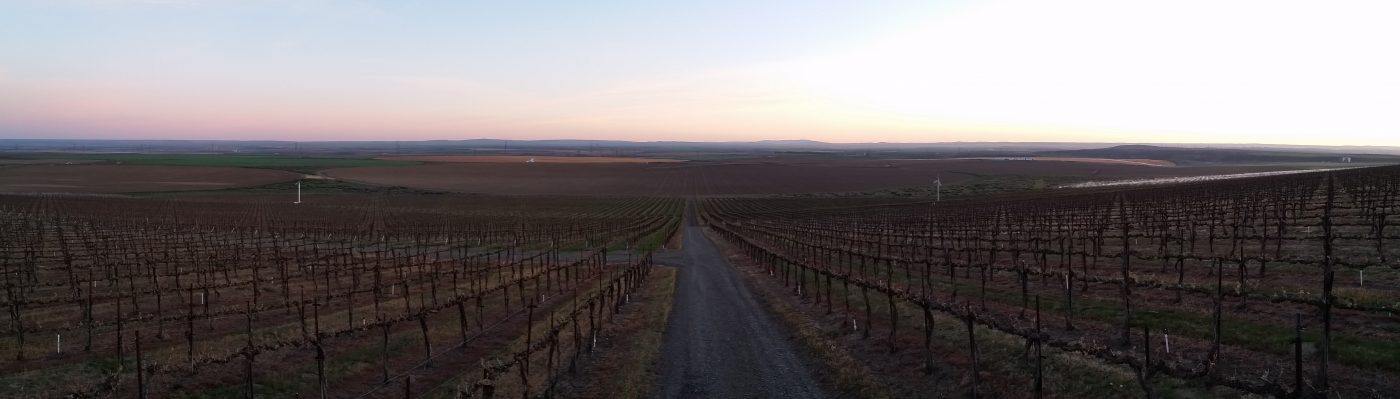
While the farm never really stops the start of pruning always feels like the official start of the season. First week of February was the kickoff for Sawtooth and Skyline vineyards. Some of my clients will start later as they have smaller vineyards and aren’t in as big of a rush for time. From a farming standpoint pruning is very laborious, time consuming, and expensive. Having your pruning game on point is key. It is very important because pruning is the first step in setting the yields for the season. Pruning creates the initial architecture for this current season, and the effects from pruning cascade through the season. Hairy or bad pruning just leads to added headaches and expenses down the road.
I recently opened a bottle of 2014 Sauvignon Blanc from Cinder Wines. 2014 was a pretty warm season in Idaho so I was pretty surprised by what was in the bottle. While it definitely had more a cooler climate Sauvignon Blanc style, there were no noticeable Methoxypyrazines aka the green or bell pepper notes. The wine also didn’t have the warm climate style of Sauvignon blanc notes of grapefruit, peach, or melon. I found pear notes with a lemon citrus crispness to it and good amount of acid for such a warm season. It was also pale yellow to straw in color. I know where the fruit was sourced, so I know how they were able to achieve that style of Sauv Blanc in the warm 2014 season.
I have had experience growing Sauv Blanc both in hot and cool sites. Sometimes the winemaker wants the grower to try and go against the grain of the site. This can be challenging, however, through canopy manipulation, irrigation, and crop load it is possible. One must work with what they have, but achieving a cooler climate wine at a warmer site and a warmer climate wine at a cooler site is sometimes doable. However, best outcome would be to tailor the style of wine to the site, and let things work out naturally. Although, challenges can be fun and pushing the boundaries can often result in novel wines
 Cragin Viticulture